|
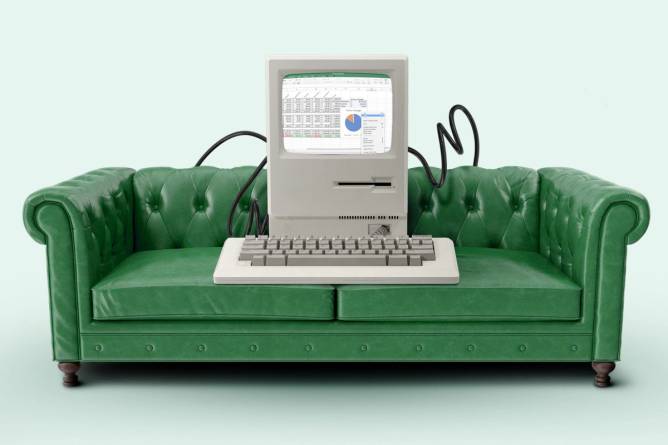
Last month, Wells Fargo fired more than a dozen employees for “simulation of keyboard activity creating impression of active work,” Bloomberg reported. “Wells Fargo holds employees to the highest standards and does not tolerate unethical behavior,” a company spokesperson told Bloomberg in a statement.
While it’s unclear how the fired employees were faking active work, mouse jigglers and other devices that simulate computer activity surged in popularity post-pandemic, as companies increasingly sought to monitor remote workers’ productivity. (Wells Fargo did not respond to HR Brew’s request for comment by publication.)
“There’s this argument that becomes, ‘Well, these kinds of monitoring systems worked, and they caught these folks’...but did they? And at what cost?” Joe Mull, keynote speaker and author of Employalty: How to Ignite Commitment and Keep Top Talent in the New Age of Work, told us.
Mull, along with Deborah Grayson Riegel, a communication and leadership expert, who’s taught at Wharton and Columbia Business Schools, shared with HR Brew what monitoring employees may say about a company’s culture.
Keep reading here.—MC
|