Welcome back! If it seems like there’s a new and weird holiday every day, well, that’s because there is—and today is International Coworking Day. This is your sign to ditch the desk for a change of scenery.
In today’s edition:
 Rising temps Rising temps
 Highly toxic Highly toxic
 Coworking Coworking
—Courtney Vinopal, Kristen Parisi, Adam DeRose
|
|
Francis Scialabba
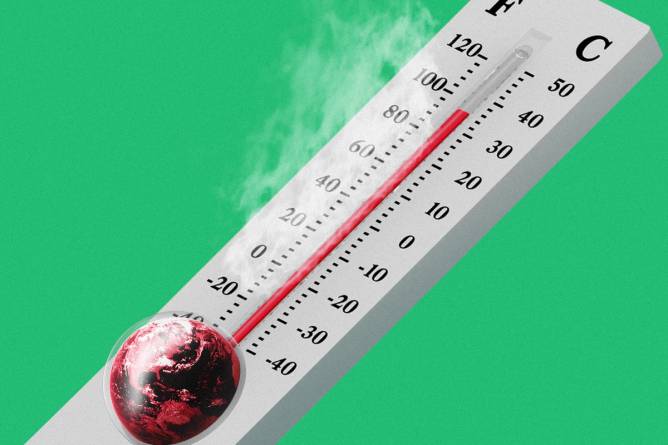
Recent heat waves, fueled by the climate crisis, have taken a toll not only on worker’s productivity, but also on their health.
The Department of Labor recently issued a hazard alert reminding employers of their general duty to protect workers in the heat, but the federal government has yet to implement a heat standard, and few states have regulations to protect workers from heat-related illnesses.
HR departments have a hand in creating policies that ensure workers can continue to work safely amid extreme weather events. Here are a few ways HR pros can consider adjusting their policies in light of record-breaking heat.
Shifting schedules. Rather than shutting down operations entirely, employers in high-risk industries like construction and warehousing may “try to move shifts, if it can be done, to later times, or rotate more people through,” John Ho, co-chair of the OSHA workplace safety practice at law firm Cozen O’Connor, told HR Brew.
Staff at DPR Construction, which has operations in multiple states, including those with historically hot climates like Florida, Texas, and Arizona, are “accustomed to working shifts that avoid peak heat of mid- to late afternoon,” Jose Garza, national environment, health, and safety leader with the firm, said via email. In addition to starting earlier, he said DPR “phases work at different times of day to take advantage of working in shaded areas of the site.”
Embracing flexibility. Employers who are able to offer flexible work will find this helpful during heat waves, Mansoor Soomro, a senior lecturer in sustainability and international business, leadership, management, and human resources at Teesside University International Business School, told the BBC last month.
Keep reading here.—CV
|
|
TOGETHER WITH CALM BUSINESS
|
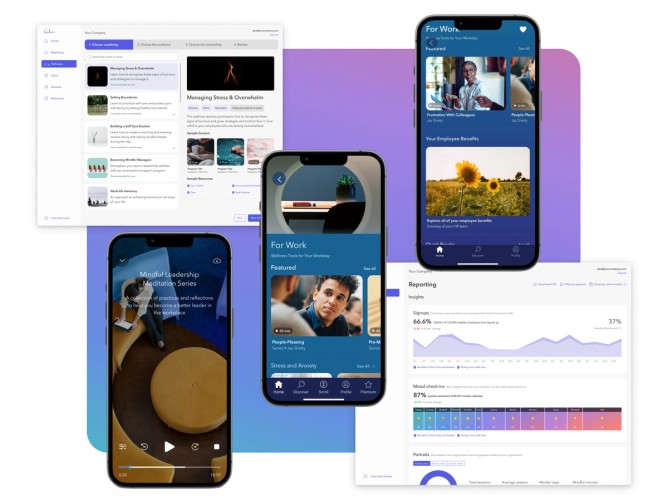
It’s no secret the economy has been tough lately. Despite all the market malaise, HR leaders are still putting in the work to ensure their employees receive top-notch mental health benefits. How can your org follow suit?
Calm Business is here to help. They’re offering a free webinar with tons of strategies you can use to put mental health at the center of your business.
You’ll gain valuable peer insights from new research on how to recession-proof wellness benefits and details on how Calm Business’ preventive self-care tool can boost employee mental well-being.
Based on a survey of 400+ HR benefits leaders, you’ll also find a blueprint from leading organizations that provides strategies on how to design your own mental health benefits game plan in the current economic climate.
Help your employees turn the corner to wellness.
|
|
John M Lund Photography Inc/Getty Images
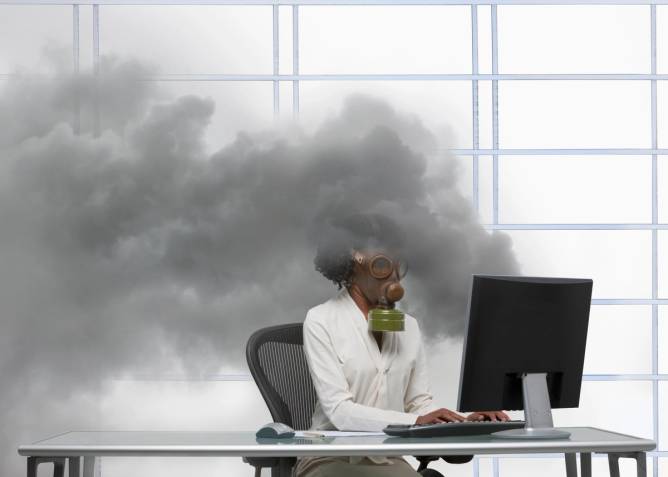
Everyone wants to work in a healthy environment, but for some, toxic workplaces are all too familiar. HR can keep an eye out for indicators that their workplace may be toxic and help create policies that ensure a safe environment for all.
The data. A recent poll from the American Psychological Association found that 19% of workers believe their workplace is at least somewhat toxic, and employees in toxic environments are three times more likely to “have experienced harm to their mental health at work” than those in healthy ones.
“Those in toxic work environments likely aren’t thriving in their personal lives, either. These environments don’t stay at work—they often follow employees home and impact their loved ones, sleep, and overall health,” Keren Wasserman, program manager for workplace transformation at Lyra Health, told HR Brew in an email.
Get proactive. HR leaders and management are in the best position to recognize when a workplace is becoming unhealthy, according to Wasserman. They usually track metrics that can be affected by toxicity, like organizational performance, which may sink, and quiet quitting and absenteeism, which may soar.
Keep reading here.—KP
|
|
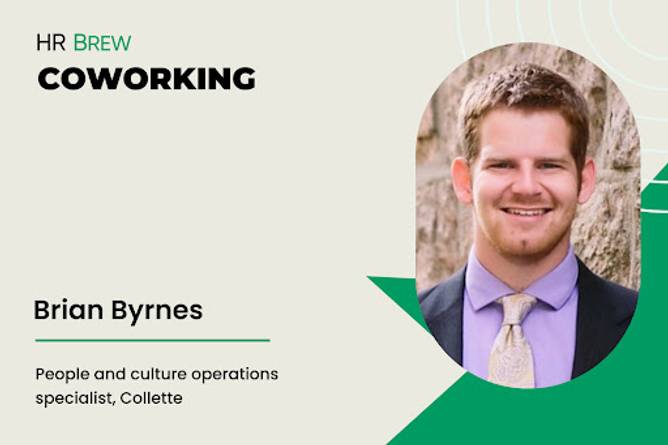
Brian Byrnes
Here’s this week’s edition of our Coworking series. Each week, we chat 1:1 with an HR Brew reader. Want to be featured in an upcoming edition? Click here to introduce yourself.
Brian Byrnes said his first job in the world of HR was as a “competency-based hire” at an executive search firm. Byrnes studied journalism in college and honed his interviewing and writing skills. With a journalist’s toolbelt, he ultimately landed a “little niche interviewing/recruiting job that worked out really well with my skill set.”
And he didn’t stop there. Every job Byrnes landed in HR and recruiting offered him a chance to learn and grow new skills on people teams. He is now focused on growing in the field of compensation and total rewards at guided travel and tour company Collette, where he leads the benefits presentations and orientations for the company’s client care group. Byrnes told HR Brew that “learning and the willingness to learn” is rewarded at Collette, where he has worked since October 2022.
What’s the best change you’ve made at work?
I personally call every single [new hire] once they sign their offer letter and give them a warm welcome and discuss onboarding. No exceptions!
One of my favorite parts about HR…you really get to see the joy and the excitement right when the person walks in the door, the first time they ever come into the company. Each person is different, and it kind of helps me really get up and be my best in the morning on Mondays because someone’s first day is today, and I just try to make it as good of an experience as I can and keep that excitement going.
Keep reading here.—AD
|
|
|
Early birds, get your 🪱. Registration is officially open for Gartner ReimagineHR Conference. Travel to sunny Orlando to learn alongside other senior HR leaders and get guidance backed by quantitative and qualitative data. You can even book a one-on-one with a Gartner HR expert speaker on-site. Register now to lock in early-bird pricing.
|
|
Francis Scialabba
Today’s top HR reads.
Stat: More than 11,000 Los Angeles city workers went on 24-hour strike Tuesday to protest unfair labor practices. (Associated Press)
Quote: “Anything a company’s doing that is treating someone differently because of their race, even if it’s a small part of the decision-making process, is going to be scrutinized.”—Dan Lennington, deputy counsel for the Wisconsin Institute for Law and Liberty, on the effect that SCOTUS’s affirmative action ruling will have on corporate DE&I efforts (the Wall Street Journal)
Read: Workers who are pregnant or recently gave birth would be entitled to remote-work arrangements and schedule adjustments, among other accommodations, according to a new EEOC proposal. (the Washington Post)
Learn: Calling all planning experts (aka HR pros)—we’ve got the course to help launch you into 2024! Strategic Planning kicks off on Monday, August 14, and is built to help you sharpen your business plans for the year ahead. Save your seat now!
Recruiting szn: Get prepped for the fall recruiting rush with a deeper understanding of the Gen Z workforce and talent pool, courtesy of CodePath’s webinar happening tomorrow (Aug. 10). Save your seat.*
*This is sponsored advertising content.
|
|
|