|
Hey there, HR pros. Australians now have a legal right to disregard emails from their boss after the workday ends, as the country’s right-to-disconnect law took effect this week. The US has yet to pass similar legislation, but we can grant such permissions on our end: If you’re reading this after work hours, please feel free to ignore us.
In today’s edition:
 Helping hand Helping hand
 How to be a champion How to be a champion
 Legislative lowdown Legislative lowdown
—Kristen Parisi, Courtney Vinopal
|
|
Mikdam/Getty Images
|
Roughly 49 million US adults have a substance use disorder (SUD), and one in 10 did not seek treatment in 2021 for fear of a negative response from their peers or loved ones. Employers have an opportunity to help workers seek treatment and achieve prolonged recovery.
Potential workplace impacts. Workers who misuse substances may have higher rates of absenteeism, reduced productivity, and more healthcare costs, according to some experts.
Despite the prevalence of SUDs, more than half of workers said they feel uncomfortable asking for help managing their condition because of the stigma associated with the illness, according to a recent survey from Pelago, a virtual substance use disorder clinic.
Company benefits and culture can help. A recovery-friendly workplace (RFW) approach to SUDs has emerged in 31 states, according to the NIH. “Employers recognize that it’s to their best interests and to their bottom lines,” Paolo del Vecchio, director of the office of recovery at the Substance Abuse and Mental Health Services Administration (SAMHSA), told HR Brew. “Investing in all of your employees ultimately will pay dividends, and that’s what we’re seeing with this increased focus [on] mental health in the workplace and behavioral health and wellness in the workplace.”
Keep reading here.—KP
|
|
|
But to make that future a reality, a simpler, faster, and more human approach to hiring needs to happen today.
Don’t miss Indeed FutureWorks this Sept. 26 to hear unique perspectives on better hiring from the likes of Trevor Noah (yes, you read that right), Indra Nooyi (former chairman and CEO of PepsiCo), and other thought leaders in the space.
Throughout the deeply educational and interactive event, you’ll learn how to apply skills-first hiring to reach and retain untapped talent pools, discover new AI tools to help you solve your current challenges, and much more.
Claim your free virtual ticket.
|
|
Bryan Larsen
|
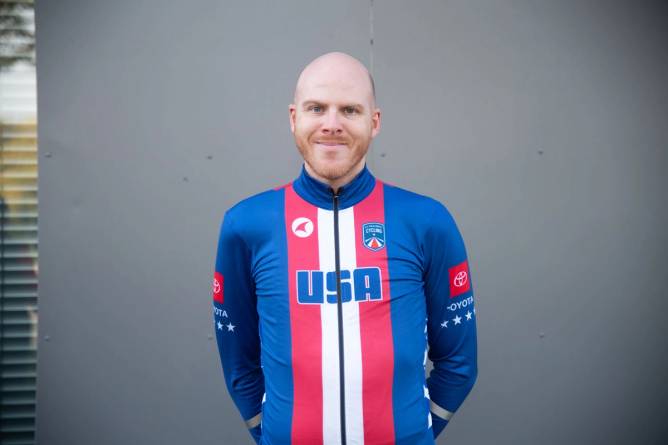
By day, Bryan Larsen is a product marketer for Medtronic, a medical device company. After hours, he’s a master cyclist who’s headed to the 2024 Paralympic Games in Paris.
Larsen always had dreams of being a Paralympian, but was quiet about them at work. “I’ve had past organizations that haven’t been hyper-supportive,” he said, noting that he often tried to downplay his training because employers were reluctant about his time away from work.
When he joined Medtronic as a remote worker in 2021, he only told his boss and a couple close work friends about his training. However, he said he was met with support from everyone on his team, allowing him to be more open about his journey.
Denise King, VP of global benefits and payroll at Medtronic, told HR Brew that the company believes supporting employees’ personal goals can help employee engagement and retention.
Keep reading here.—KP
|
|
Francis Scialabba
|
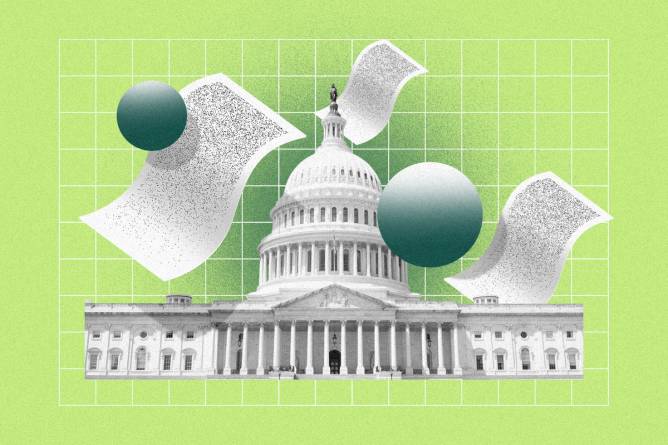
A Texas federal judge recently struck down a Federal Trade Commission (FTC) ban on noncompete agreements that was set to take effect on Sept. 4.
The court concluded “the FTC lacks statutory authority” to ban most noncompetes, and that the rule issued by the agency was “arbitrary and capricious,” US District Judge Ada Brown wrote in an Aug. 20 opinion.
The final rule, which was issued by the FTC in April, would have banned employers from including noncompete agreements in employment contracts. Noncompetes are common in industries ranging from hair styling to medicine, and may keep workers from joining another company, or bringing clients to a new firm. The FTC went after the agreements on the grounds they stifle wages and innovation, but the rule was challenged by a handful of businesses, including Ryan, a Dallas-based tax firm.
What’s next for noncompete bans? In her opinion, Judge Brown wrote the FTC ban will “not be enforced or otherwise take effect” as planned on September 4, though Victoria Graham, an FTC spokesperson, told HR Brew via email that the decision “does not prevent the FTC from addressing noncompetes through case-by-case enforcement actions.” She also said the FTC is “seriously considering” appealing the Texas court’s decision.
Keep reading here.—CV
|
|
|
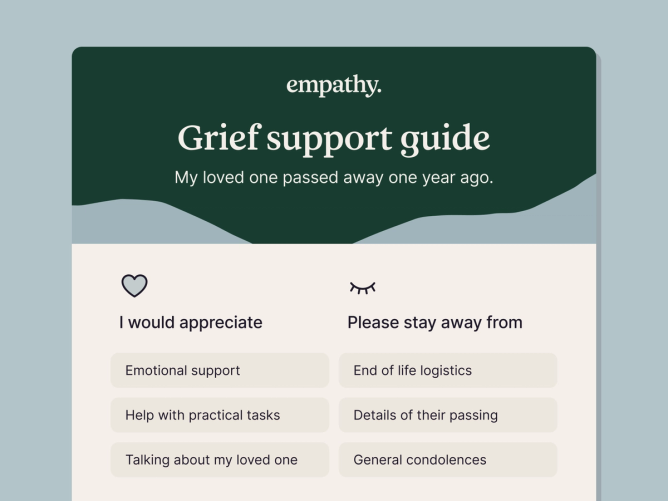
Support comes in many forms. In recognition of Grief Awareness Day on August 30, Empathy has built an interactive tool to help support grieving individuals and their communities. The Grief Guide Generator provides a straightforward way to articulate needs and help colleagues support each other in the aftermath of loss. Use and share the tool here.
|
|
Francis Scialabba
Today’s top HR reads.
Stat: Employer healthcare costs are expected to rise by almost 8% in 2025—the highest increase in a decade—partly due to spending on prescription drugs like GLP-1s. (Business Group on Health)
Quote: “There’s just a generational shift towards balancing work life, taking care of your whole self and those sorts of things. I think that we’ve heard over and over again that Gen Z and younger millennials really prioritize those things.”—Liz Wilke, a principal economist at Gusto, on why younger workers are taking more sick days (Business Insider)
Read: Synchrony Financial staffs its Stamford, Connecticut, headquarters with a psychologist who offers employees free therapy. (the Wall Street Journal)
Better hiring: Get your free virtual ticket to Indeed FutureWorks to hear from industry leaders + celebrity speakers like Trevor Noah. Learn how to apply skills-first hiring, discover new AI tools, and get actionable takeaways.* *A message from our sponsor.
|
|
|
Share HR Brew with your coworkers, acquire free Brew swag, and then make new friends as a result of your fresh Brew swag.
We’re saying we’ll give you free stuff and more friends if you share a link. One link.
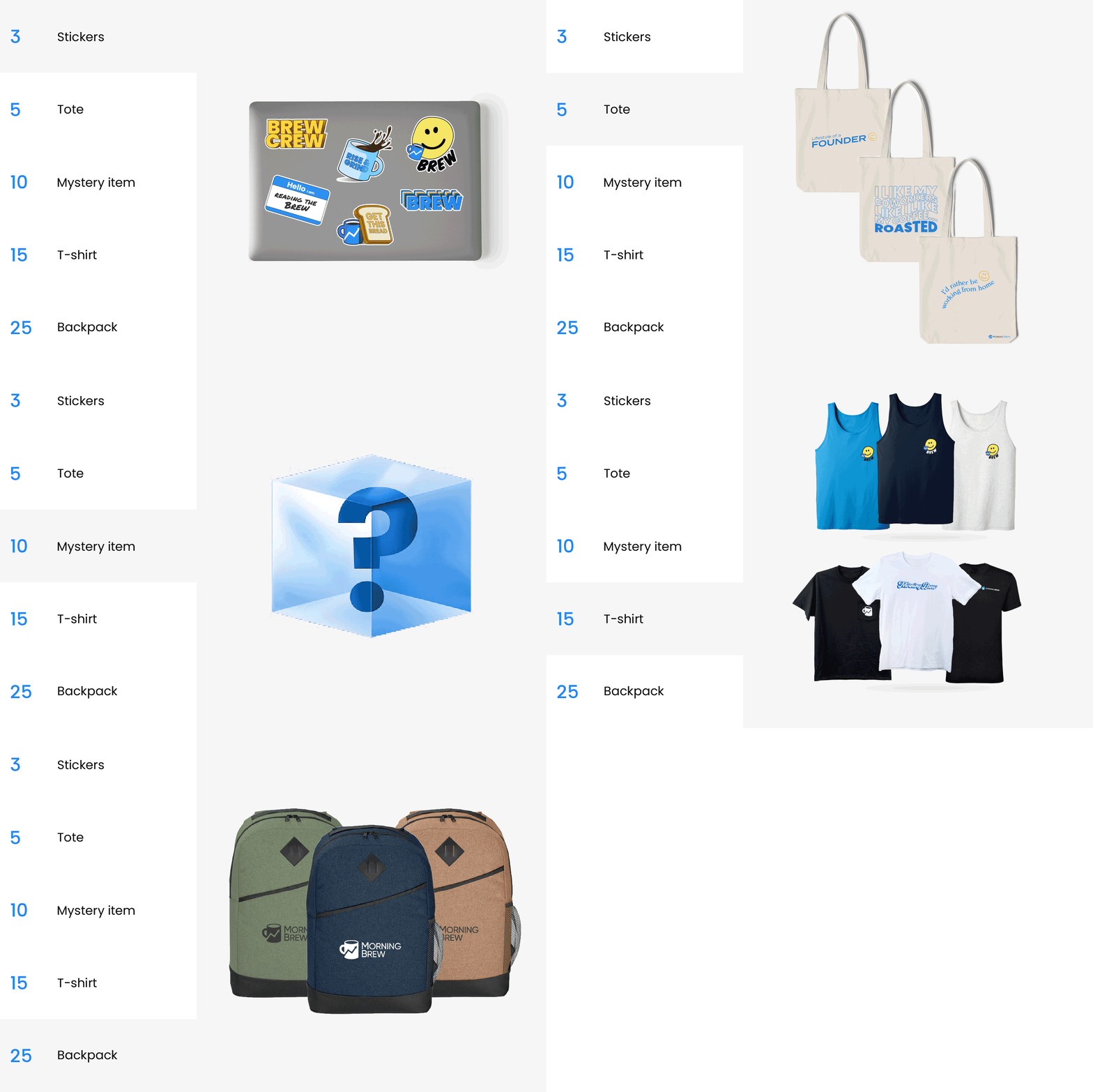
Your referral count: 2
Click to Share
Or copy & paste your referral link to others:
hr-brew.com/r/?kid=9ec4d467
|
|
ADVERTISE
//
CAREERS
//
SHOP
//
FAQ
Update your email preferences or unsubscribe
.
View our privacy policy
.
Copyright ©
2024
Morning Brew. All rights reserved.
22 W 19th St, 4th Floor, New York, NY 10011
|
|