Mr. Roboto
To:Brew Readers
New bill targets automated decision-making systems

Welcome back! It’s Workers’ Memorial Day, which honors workers killed or injured on the job, and marks the anniversary of when the Occupational Safety and Health Act was enacted. Fewer workers died on the job in 2023 than 2022, though experts worry that the Trump administration’s removal of OSHA regulations could change that in coming years.

In today’s edition:

No Robo Bosses Act

World of HR

Book club

—Adam DeRose, Kristen Parisi, Mikaela Cohen

COMPLIANCE

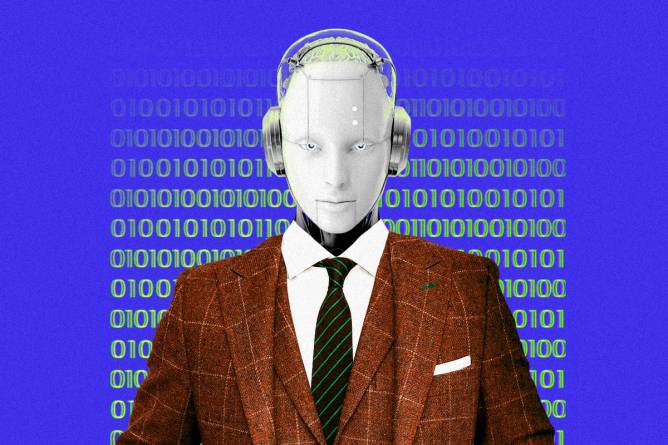
A robot dressed in a business suit with a grid of binary code behind it

Francis Scialabba

A California Democrat last month introduced the No Robo Bosses Act, SB7, to the statehouse’s upper chamber requiring human oversight of automated decision-making systems (ADS) in the workplace. The move comes as state and local governments and businesses alike grapple with a federal vacuum on AI legislation amid uncertainty in Washington.

The move in the Golden State, sponsored by state Sen. Jerry McNerney, would prevent employers from relying solely on automated decision-making systems when making “hiring, promotion, discipline, or termination decisions” without human oversight. The bill also prohibits AI that uses a worker’s personal information for predictive analytics, a key measure applauded by data privacy pros.

“Businesses are increasingly using AI to boost efficiency and productivity in the workplace. But there are currently no safeguards to prevent machines from unjustly or illegally impacting workers’ livelihoods and working conditions,” Sen. McNerney said of the announcement in a press release. “SB 7 does not prohibit ADS in the workplace, rather it establishes guardrails to ensure that California businesses are not operated by robo bosses…”

For more on the No Robo Bosses Act and other measures aimed at regulating employer AI use, keep reading here.—AD

Presented by Franklin Templeton

RECRUITMENT & RETENTION

World of HR

Morning Brew

The global economy is facing several uncertainties, from changing in-demand skills to tariffs, and one country in particular is trying to balance a poor job market with a talent shortage for jobs in manual labor.

Where in the world? South Korea is looking at its worst job market in over a decade, disproportionately impacting younger (ages 15 to 29) workers, the Korea Herald reported. Young job seekers have also been on the hunt for a job longer than in previous years with many workers under 40 needing at least four months to find a job, Korea JoongAng Daily reported.

Many young South Koreans have limited job experience, which further limits their job prospects, and economists say that could stunt the country’s economic growth. Most (75%) unemployed workers said there are not enough “quality” job opportunities in South Korea, and 32% said that the jobs available don’t pay enough, according to the Korea Herald.

For more on the cooling job market abroad, keep reading here.—KP

HR STRATEGY

Reading a book

Emily Parsons

Try as they might, HR leaders aren’t always equipped to help employees, especially employees who’ve experienced trauma. That’s why we spoke with Rachael Kelly, founder and CEO of HiveSmart, a consulting firm that specializes in trauma-informed practices.

Kelly, who wrote about her personal and professional experience with trauma in her book, From Trauma to Triumph: Finding Your Way Out: The End, shared how people leaders can talk about trauma in the workplace—something she’s done as an HR pro at companies like Pizza Hut and Sonic Drive-In.

For tips on how HR can assist employees through traumatic situations, keep reading here.—MC

Together With Norton LifeLock

WORK PERKS

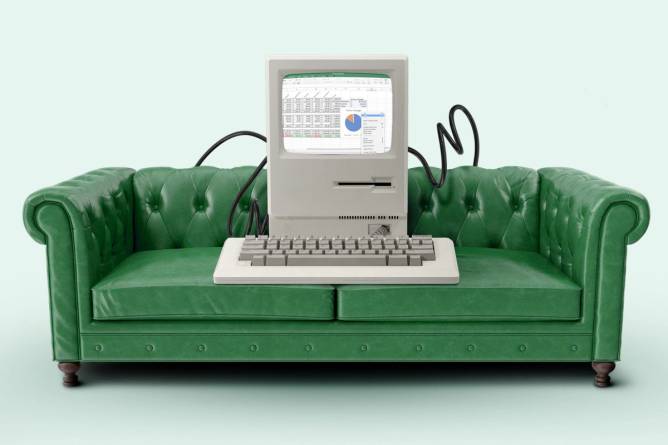
A desktop computer plugged into a green couch.

Francis Scialabba

Today’s top HR reads.

Stat: Of companies that ended their DEI programs, nine out of 10 did so in the last year, most pointing to political reasons. (Resume Builder)

Quote: “Turning to bots for mentorship poses a paradox. Students and young professionals may gain more access to resources and support, but have less access to social and professional networks.”—Julia Freeland-Fisher, director of education at the Clayton Christensen Institute, on the pitfalls of using AI for professional development (Axios)

Read: Intel is restructuring its workforce as the company struggles financially. (Yahoo)

Times are changing: As employee expectations change, employers are working hard to keep up. Franklin Templeton’s 2025 workplace survey explores insights from employers and employees—so you can prep for your org’s future. Read on.*

*A message from our sponsor.

SHARE THE BREW

Share HR Brew with your coworkers, acquire free Brew swag, and then make new friends as a result of your fresh Brew swag.

We’re saying we’ll give you free stuff and more friends if you share a link. One link.

Your referral count: 5

Click to Share

Or copy & paste your referral link to others:
hr-brew.com/r/?kid=9ec4d467

✢ A Note From Franklin Templeton

Source: Franklin Templeton-Harris Poll.

         
ADVERTISE // CAREERS // SHOP // FAQ

Update your email preferences or unsubscribe here.
View our privacy policy here.

Copyright © 2025 Morning Brew Inc. All rights reserved.
22 W 19th St, 4th Floor, New York, NY 10011

Quick-to-read HR news & insights

From recruiting and retention to company culture and the latest in HR tech, HR Brew delivers up-to-date industry news and tips to help HR pros stay nimble in today’s fast-changing business environment.

By subscribing, you accept our Terms & Privacy Policy.

A mobile phone scrolling a newsletter issue of HR Brew