The three questions
To:Brew Readers
HR Brew // Morning Brew // Update
What to ask when considering an ICHRA.

It’s Friday. And we’re mere hours away from the last weekend of Q3. We hope you’re able to take some time to enjoy the calm before the Q4 storm.

In today’s edition:

🩺 ICHRA considerations

Book club

Cutting ties

—Courtney Vinopal, Mikaela Cohen, Caroline Catherman

TOTAL REWARDS

Illustration of an open hand with a coin on the left and an open hand in a doctor's white coat with a heart that has a cross in the middle

Ja_inter/Getty Images

If you’re a total rewards leader who’s just hearing about an individual coverage health reimbursement arrangement (ICHRA), it’s likely because the option has only been around for the last five years.

It may also be because this type of benefit—which allows employers to offer pre-tax dollars so employees can purchase their own individual health plan, rather than elect coverage through a group plan—is not currently the predominant form of employer-sponsored healthcare. Just 4% of firms offering health benefits gave workers funds to purchase non-group health insurance in 2024, according to a KFF survey.

Still, this option may be of interest to small employers that wouldn’t otherwise be able to offer health coverage to their workers, or businesses with specific employee populations. Here are three questions for HR teams considering offering an ICHRA, according to industry experts.

For more on how to decide if an ICHRA is right for your company, keep reading here.—CV

From The Crew

HR STRATEGY

Two hands holding on opened book with text highlighted

Emily Parsons

It’s time for some workplace rules to go—especially the unwritten ones.

That’s according to Hanna Hasl-Kelchner, founder and CEO of consulting firm Business M.O. and author of Seeking Fairness at Work: Cracking the New Code of Greater Employee Engagement, Retention and Satisfaction. All too often, she said, they can create stress for employees.

Hasl-Kelchner shared with HR Brew insights from her book.

For more from our conversation with Hasl-Kelchner, keep reading here.—MC

COMPLIANCE

Illustration of a noncompete agreement

Francis Scialabba

As some in the medical field know too well, it can be hard to leave a healthcare job. Sure, patient relationships and coworker bonds are difficult to sever, but one of the top things keeping many from branching off on their own just might be their contracts.

Between 37% to 45% of US physicians are in employer agreements that limit where they can work after they leave or how long they must stay in their current position, according to professional group the American Medical Association (AMA), compared to about 18% of the overall workforce nationwide, per a 2021 article in the Journal of Law and Economics.

On Sept. 10, the Federal Trade Commission (FTC) announced it had sent warning letters to several healthcare and staffing companies with potentially “unreasonable noncompete agreements in employment contracts.” A few days earlier, it had asked for public comment to inform “case-by-case” enforcement of noncompetes going forward. This comes shortly after the commission announced Sept. 5 it’s officially abandoning attempts to defend a ban on all noncompetes that it passed in April 2024.

It’s all left providers and hospitals alike asking: What’s next for noncompetes?

For more on the future of noncompete agreements, keep reading on Healthcare Brew.—CC

Together With Deel

WORK PERKS

A desktop computer plugged into a green couch.

Francis Scialabba

Today’s top HR reads.

Stat: Approximately 700,000 people in the US are H-1B visa holders. (Quartz)

Quote: “It’s a weird place to be and challenging for employers…If you’re a nationwide employer, you’re like, ‘Do I need to have a different vaccine coverage schedule in terms of what I’m willing to cover and cost share between my employees in Massachusetts and my employees in Texas, my employees in Florida and my employees in California?”—Shawn Gremminger, CEO of the National Alliance of Healthcare Purchaser Coalitions, on how shifting federal policies impact insurance plans (Axios)

Read: How changes implemented by the Department of Government Efficiency affected the lives of over 200 federal workers. (Wired)

Brew News Quiz

Amelia Kinsinger

The feeling of getting a 5/5 on the Brew’s weekly news quiz has been compared to getting a company-wide shout out from your boss. It’s that satisfying.

Ace the quiz

SHARE THE BREW

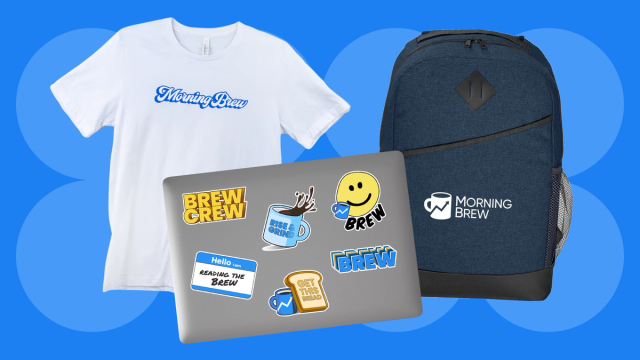
Share HR Brew with your coworkers, acquire free Brew swag, and then make new friends as a result of your fresh Brew swag.

We’re saying we’ll give you free stuff and more friends if you share a link. One link.

Your referral count: 5

Click to Share

Or copy & paste your referral link to others:
hr-brew.com/r/?kid=9ec4d467

         
ADVERTISE // CAREERS // SHOP // FAQ

Update your email preferences or unsubscribe here.
View our privacy policy here.

Copyright © 2025 Morning Brew Inc. All rights reserved.
22 W 19th St, 4th Floor, New York, NY 10011

Quick-to-read HR news & insights

From recruiting and retention to company culture and the latest in HR tech, HR Brew delivers up-to-date industry news and tips to help HR pros stay nimble in today’s fast-changing business environment.

By subscribing, you accept our Terms & Privacy Policy.

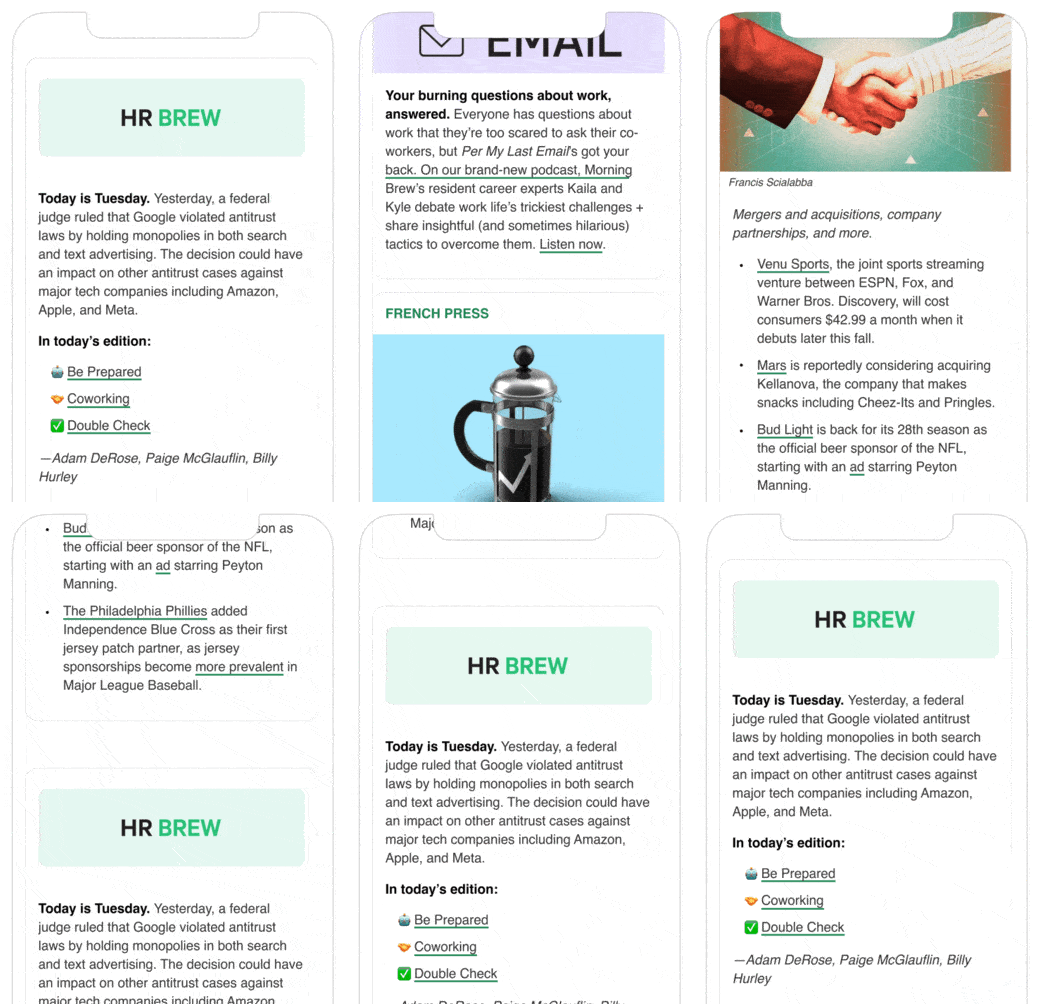
A mobile phone scrolling a newsletter issue of HR Brew